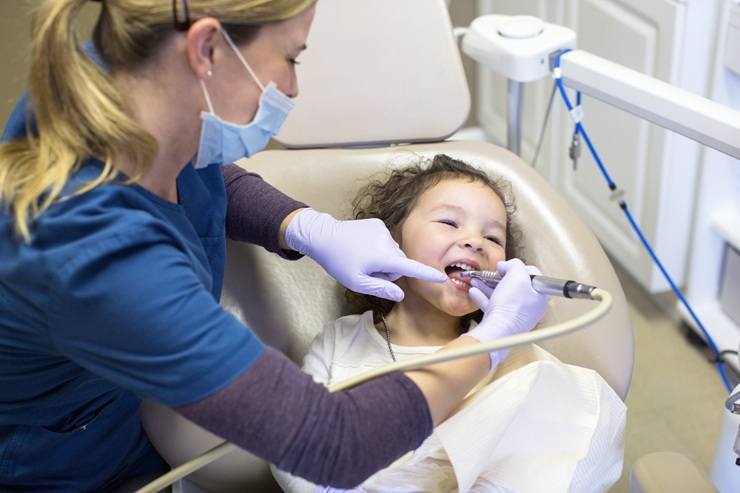

Causes of Bleeding Gums in Children: Symptoms, Treatment, and Prevention
As a parent, seeing blood on your child’s toothbrush or noticing bleeding while they eat can be alarming. While occasional bleeding gums may result from brushing too hard, persistent bleeding is often a sign that something isn’t quite right. Healthy gums should be pink, firm, and free from bleeding, even during brushing and flossing.
The good news is that most cases of bleeding gums in children are treatable, especially when identified early. Understanding the causes, recognizing the warning signs, and seeking professional dental care can help protect your child’s oral health and prevent more serious problems in the future.
In this guide, we’ll explain why children’s gums bleed, when it’s time to visit the dentist, and how parents can help keep little gums healthy for years to come.
Why Healthy Gums Matter for Growing Children
Gums do much more than hold teeth in place. They act as a protective barrier against bacteria, support developing teeth, and contribute to your child’s overall oral health.
When gums become inflamed or infected, everyday activities like brushing, eating, and speaking may become uncomfortable. If left untreated, gum problems can worsen and affect both baby teeth and permanent teeth.
Teaching children healthy oral hygiene habits early creates a strong foundation for lifelong dental wellness.
Common Causes of Bleeding Gums in Children
Several conditions can cause gums to bleed. Some are temporary and easy to manage, while others require professional treatment.
1. Poor Oral Hygiene
The most common cause of bleeding gums is plaque buildup along the gumline.
Plaque is a sticky film of bacteria that forms on the teeth every day. If it isn’t removed through regular brushing and flossing, it irritates the gums, causing redness, swelling, and bleeding.
Fortunately, this early stage of gum disease—called gingivitis—is reversible with proper dental care.
2. Gingivitis
Gingivitis develops when plaque remains on the teeth for an extended period.
Symptoms often include:
- Bleeding during brushing or flossing
- Red or swollen gums
- Tenderness
- Bad breath
Early treatment usually restores healthy gums before permanent damage occurs.
3. Brushing Too Hard
Sometimes children become enthusiastic brushers.
Using excessive pressure or a toothbrush with hard bristles can irritate delicate gum tissue and lead to bleeding.
A soft-bristled toothbrush and gentle circular brushing motions are much safer for growing mouths.
4. Flossing for the First Time
Parents are often surprised when their child’s gums bleed after beginning a flossing routine.
This usually happens because the gums are adjusting to the removal of plaque between the teeth.
With consistent daily flossing, healthy gums typically stop bleeding within a week or two.
5. Vitamin Deficiencies
Although uncommon, deficiencies in vitamins such as Vitamin C or Vitamin K may contribute to bleeding gums.
Children who eat a balanced diet filled with fruits, vegetables, dairy products, and lean proteins are less likely to experience nutrition-related gum problems.
6. Mouth Injuries
Children love to run, climb, and play, making bumps and falls inevitable.
A minor injury from sports, playground accidents, or chewing on hard objects may temporarily cause bleeding around the gums.
If bleeding continues or a tooth appears loose after an injury, a dental evaluation is important.
7. Orthodontic Appliances
Braces, space maintainers, and other orthodontic appliances create additional places where plaque can accumulate.
Without careful cleaning, the gums may become inflamed and bleed more easily.
Children with orthodontic appliances often benefit from extra brushing instruction and more frequent professional cleanings.
Symptoms Parents Should Watch For
Bleeding gums rarely appear alone.
Keep an eye out for these additional warning signs:
- Red or puffy gums
- Tenderness when brushing
- Persistent bad breath
- Receding gums
- Sensitivity while eating
- Blood on the toothbrush
- Bleeding during flossing
- Swelling between the teeth
If these symptoms continue for more than several days, it’s time to schedule a dental visit.
When Bleeding Gums Require Immediate Attention
Although most cases are not emergencies, parents should seek prompt dental care if bleeding gums occur alongside:
- Facial swelling
- Fever
- Severe pain
- Loose permanent teeth
- Difficulty eating
- Pus around the gums
- Bleeding that won’t stop after an injury
These symptoms may indicate infection or another condition requiring immediate treatment.
How a Pediatric Dentist Diagnoses Bleeding Gums
At Boca Delray Pediatric Dentistry, diagnosing bleeding gums begins with a gentle and child-friendly examination.
Your child’s pediatric dentist may:
- Review their oral hygiene routine
- Examine the gums for inflammation
- Check for plaque and tartar buildup
- Evaluate tooth alignment
- Look for signs of injury
- Take digital X-rays if necessary
A careful examination allows the kids dentist delray beach to identify the underlying cause rather than simply treating the symptoms.
Treatment Options for Bleeding Gums
Treatment depends on the reason behind the bleeding.
Professional Dental Cleaning
If plaque and tartar are causing gum irritation, a professional cleaning removes harmful buildup that brushing alone cannot eliminate.
This is often the first step toward healthier gums.
Improved Home Care
Many children simply need guidance on proper brushing and flossing techniques.
Parents should supervise brushing until children develop the coordination needed to clean every tooth effectively.
Brushing twice a day and flossing daily remain the foundation of healthy gums.
Treating Cavities or Dental Problems
Sometimes gum irritation develops around untreated cavities or damaged teeth.
Addressing these issues with fillings or other restorative treatments can eliminate the source of inflammation.
Orthodontic Cleaning Guidance
Children wearing braces or other appliances may receive customized cleaning recommendations and specialized tools that make oral hygiene easier.
Nutritional Recommendations
If diet contributes to poor gum health, your child’s dentist may recommend increasing foods rich in vitamins and minerals that support healthy gums.
How Parents Can Help Prevent Bleeding Gums
The best treatment is prevention.
Simple daily habits can significantly reduce your child’s risk of gum disease.
Brush Twice Every Day
Use a fluoride toothpaste and a soft-bristled toothbrush for two full minutes.
Floss Every Day
Floss removes plaque where toothbrushes cannot reach.
Starting flossing early helps prevent inflammation between the teeth.
Limit Sugary Snacks
Frequent sugary foods feed harmful bacteria that contribute to plaque formation and gum irritation.
Choose healthier snacks like:
- Apples
- Cheese
- Yogurt
- Carrots
- Cucumbers
Encourage Water Instead of Sugary Drinks
Water helps rinse away food particles while supporting saliva production, which naturally protects teeth and gums.
Schedule Regular Dental Checkups
Routine exams allow your pediatric dentist to detect small concerns before they become painful or expensive to treat.
Professional cleanings also remove hardened plaque that cannot be brushed away at home.
Why Early Treatment Makes a Big Difference
Bleeding gums often start as a minor problem but can become more serious if ignored.
Early intervention offers several important benefits:
- Stops inflammation before it worsens
- Prevents gum disease from progressing
- Protects developing permanent teeth
- Improves comfort during eating and brushing
- Encourages lifelong healthy oral habits
Prompt care also helps children develop positive dental experiences instead of waiting until pain becomes severe.
Choosing a Trusted Pediatric Dentist
If your child has bleeding gums, professional care can identify the cause and provide effective treatment before the problem worsens. An experienced pediatric dentist Delray Beach parents trust understands the unique dental needs of growing smiles and creates a comfortable, welcoming environment for children.
At Boca Delray Pediatric Dentistry, every child receives compassionate, personalized care focused on prevention, education, and gentle treatment. From routine cleanings and preventive care to diagnosing gum concerns, the team is committed to helping children maintain healthy teeth and gums at every stage of development.
Conveniently located at 16850 Jog Rd, Delray Beach, FL 33446, Boca Delray Pediatric Dentistry proudly serves families throughout the Delray Beach community with comprehensive pediatric dental care.
Final Thoughts
Bleeding gums in children should never be dismissed as “normal.” While the cause may be something as simple as improving brushing habits, persistent bleeding can also signal gingivitis, plaque buildup, injury, or another underlying dental issue that deserves professional attention.
The best way to protect your child’s oral health is through a combination of good home care, balanced nutrition, and regular dental visits. If you notice your child’s gums bleeding repeatedly, don’t wait for the problem to worsen. Scheduling an evaluation at Boca Delray Pediatric Dentistry can provide answers, relieve discomfort, and keep your child’s smile healthy as they grow.
Ready to see us?
New patients are always welcome.
Book an appointmentCall us (561) 499-1788