
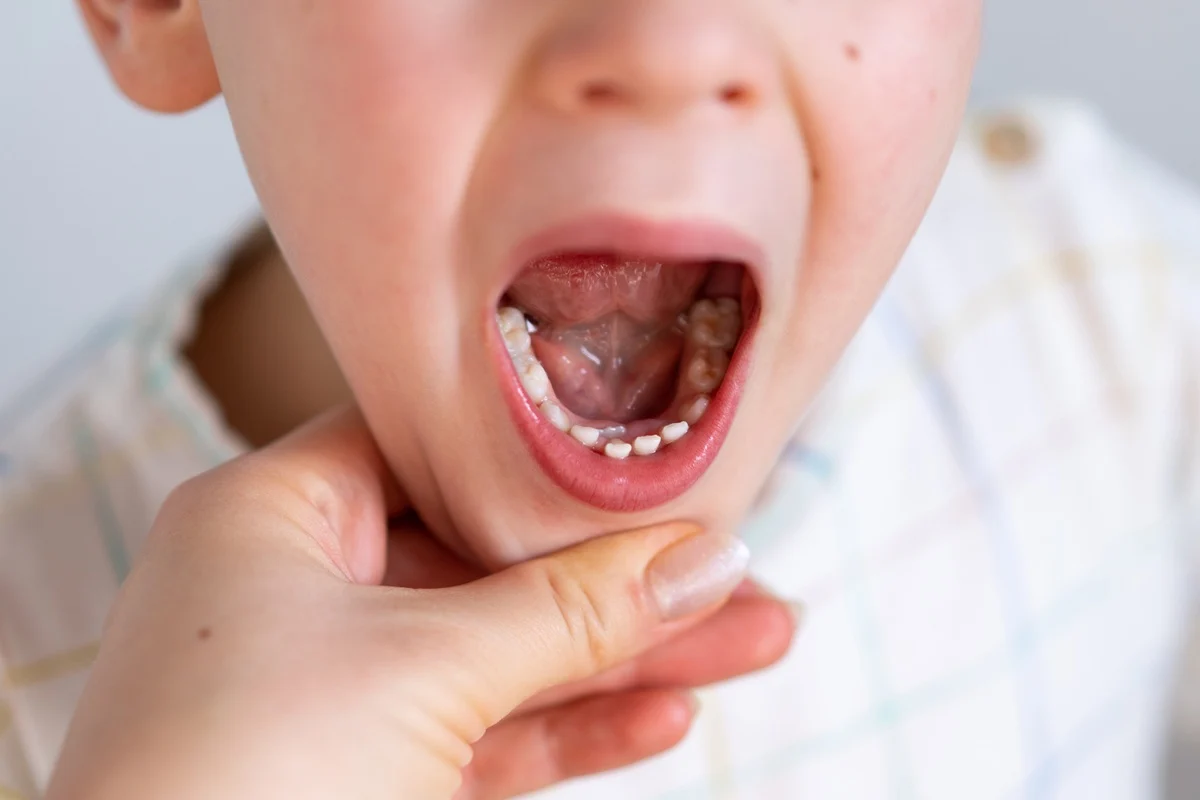
Our Pediatric Dentists Explain the Early Signs of Tooth Decay in Children and When to Act
Skip to main contentThe earliest signs of tooth decay in children include white spots on teeth, sensitivity to cold foods, tooth discoloration, bad breath, visible pits, and tooth pain. Parents should never ignore these symptoms because cavities can progress quickly and eventually affect a child’s comfort, nutrition, speech, and overall oral health.
Many cavities begin silently before a child ever complains of pain. Recognizing warning signs early often allows for simpler treatment and better long-term outcomes. According to the CDC, more than half of children have experienced a cavity by age eight, making early detection one of the most important steps parents can take to protect growing smiles.
Clinical Insight From Our Pediatric Dental Team
Many parents assume cavities always cause pain. In reality, early tooth decay often develops without obvious symptoms. At Boca Delray Pediatric Dentistry, Dr. Maria Castaneda and Dr. Karen Ben-Elazar work closely with families to identify dental concerns before they become larger problems. Through preventive care, routine examinations, and personalized treatment plans, our team helps children build healthy habits and maintain strong smiles as they grow.
In our experience caring for children, we frequently see cavities discovered during routine examinations before a child reports any discomfort. By the time pain develops, decay may already have reached deeper layers of the tooth.
If you notice any of the symptoms discussed below, schedule a comprehensive evaluation with our office to receive guidance tailored to your child’s specific needs.
Why Should Parents Take Early Tooth Decay Seriously?
Even small cavities can become larger oral health problems when treatment is delayed. Early intervention from a reliable pediatric dentist in Delray Beach helps prevent pain, infection, and unnecessary damage to developing teeth.
As decay progresses, children may experience:
- Persistent toothaches
- Sensitivity to hot, cold, or sweet foods
- Difficulty chewing comfortably
- Trouble sleeping
- Gum irritation
- Difficulty focusing in school
Families enjoying afternoons along the Truckee River or spending weekends at Idlewild Park often prioritize making memories together. Dental discomfort can quickly disrupt those experiences and affect a child’s overall well-being.
Indications of Tooth Decay in Children
Here are some of the significant signs that you must keep a watch on:
Symptom #1: White Spots on Teeth
White chalky areas on teeth are often the earliest visible sign of enamel damage. At this stage, intervention may help prevent further progression.
Parents often overlook these spots because they do not resemble traditional cavities. However, they indicate mineral loss from the enamel.
Watch for:
- Chalky white patches
- Dull enamel near the gumline
- Areas that appear lighter than the surrounding teeth
- Changes in tooth appearance that were not present before
At this stage, enamel damage may still be addressed before a cavity fully develops, making early identification especially valuable.
Symptom #2: Brown, Yellow, or Dark Areas
Changes in tooth color can indicate that decay has progressed beyond the earliest stages.
Discoloration may appear as:
- Yellow spots
- Brown patches
- Dark grooves
- Black areas on the chewing surfaces
Not every stain is a cavity, but any unexplained color change deserves professional evaluation. Parents looking for a pediatric dentist in Delray Beach often learn that early diagnosis helps prevent decay from reaching deeper parts of the tooth.
Symptom #3: Tooth Sensitivity
Sensitivity to cold drinks, ice cream, sweets, or hot foods can be an early indicator of cavity development.
Children do not always describe sensitivity clearly. Instead, they may:
- Avoid certain foods
- Chew on one side
- Hesitate before taking bites
- Complain that a tooth feels strange
Paying attention to these subtle behaviors often reveals concerns before more obvious symptoms appear.
Symptom #4: Persistent Bad Breath
Bad breath that continues despite regular brushing may indicate bacterial buildup associated with tooth decay.
Occasional morning breath is normal. Persistent unpleasant breath is not.
When cavity-causing bacteria accumulate inside damaged tooth structure, odors can develop and remain even after brushing. If bad breath occurs alongside discoloration or sensitivity, a dental examination is recommended.
Symptom #5: Tooth Pain or Discomfort
Recurring tooth pain is one of the clearest indicators that professional evaluation is needed.
Children may describe:
- Sharp pain
- Throbbing discomfort
- Pain while chewing
- Sensitivity to sweets
Some children struggle to identify the exact tooth that hurts. Others only complain during quiet moments before bed. Regardless of how the discomfort is described, persistent pain should never be ignored.
Symptom #6: Visible Holes or Pits in Teeth
Visible openings in a tooth usually indicate established decay that requires treatment.
Parents may notice:
- Tiny holes
- Rough surfaces
- Small pits
- Food repeatedly gets trapped
Once a cavity forms, the damaged area will not repair itself naturally. Professional treatment is necessary to stop the progression and preserve the tooth.
Symptom #7: Swollen or Red Gums Near a Tooth
Localized swelling around a tooth may indicate advanced decay or infection and should be evaluated promptly.
Warning signs include:
- Red gums
- Tenderness
- Puffiness
- Small bumps near the tooth
- Facial swelling
These symptoms suggest bacteria may have reached deeper tissues. Prompt care helps prevent complications and relieve discomfort.
Early vs. Advanced Tooth Decay
The signs of tooth decay often change as the condition progresses. Understanding these differences can help parents recognize concerns early and seek care before a small cavity develops into a more serious dental problem.
White Spots vs. Visible Cavities
One of the earliest signs of tooth decay is the appearance of chalky white spots on the enamel. These spots indicate mineral loss and weakened enamel but may not yet represent a fully formed cavity. At this stage, intervention can often help slow or stop further damage.
As decay advances, visible holes or cavities begin to form. These openings create areas where food particles and bacteria collect more easily, allowing the decay process to continue deeper into the tooth structure.
Mild Sensitivity vs. Persistent Tooth Pain
Early decay may cause occasional sensitivity when a child eats ice cream, drinks something cold, or consumes sweet foods. The discomfort is often brief and easy to overlook.
Advanced decay frequently causes ongoing tooth pain that occurs even without eating or drinking. Children may complain about throbbing discomfort, difficulty sleeping, or pain while chewing. Persistent pain is a strong indication that professional evaluation is needed.
Slight Discoloration vs. Dark Areas and Holes
Early enamel damage may appear as faint white, yellow, or light brown discoloration. These subtle changes are often difficult for parents to notice during daily brushing routines.
As decay progresses, affected areas typically become darker and more noticeable. Brown or black spots, deep grooves, and visible holes suggest that the cavity has moved beyond the enamel and requires prompt treatment.
No Swelling vs. Gum Swelling and Irritation
In the early stages of decay, children usually do not experience swelling or irritation around the affected tooth. The damage remains confined to the enamel surface.
When decay reaches deeper layers of the tooth or causes infection, the surrounding gums may become red, swollen, or tender. In some cases, parents may notice a small bump near the tooth, which can indicate an underlying infection that requires immediate attention.
Minimal Discomfort vs. Difficulty Chewing
Children with early tooth decay often continue eating normally because the affected tooth may not cause significant discomfort. As a result, the problem can go unnoticed for months.
Advanced decay can make chewing uncomfortable or painful. Some children begin avoiding certain foods, chewing only on one side of the mouth, or refusing meals altogether because of tooth sensitivity and pain.
Easier to Manage vs. More Extensive Treatment Needs
When decay is identified early, treatment is generally simpler and focuses on preventing further damage while preserving healthy tooth structure. Preventive measures and conservative treatment options are often effective during this stage.
Once decay becomes advanced, more extensive care may be necessary to remove infection, restore function, and protect the tooth. This is why regular dental examinations remain one of the most effective ways to identify concerns before they become larger oral health problems.
While only a professional examination can determine the exact stage of tooth decay, understanding these warning signs helps parents recognize potential problems sooner and take action before their child’s comfort and oral health are affected.
Which Children Have a Higher Risk of Tooth Decay?
Certain habits and health factors increase the likelihood of cavity development. Understanding these risks helps families take preventive action.
Children at higher risk often:
- Consume sugary snacks frequently
- Sip sweetened beverages throughout the day
- Go to sleep with milk or juice
- Have inconsistent brushing habits
- Miss routine dental visits
- Have a history of previous cavities
- Wear orthodontic appliances
- Experience dry mouth
Families spending time at Rancho San Rafael Regional Park or enjoying local restaurants throughout the area may not realize how often frequent snacking contributes to cavity formation. The frequency of sugar exposure often matters just as much as the amount consumed.
How Can Parents Prevent Tooth Decay
Daily preventive habits remain the most effective defense against childhood cavities. Consistency matters more than perfection.
Brush Twice Daily
Children should brush with fluoride toothpaste every morning and night. Parents should supervise brushing until their child demonstrates proper technique consistently.
Limit Frequent Sugar Exposure
Reducing the number of sugary snacks and beverages throughout the day helps limit acid attacks on tooth enamel.
Pay Attention to Hidden Sugars
Many parents focus on candy while overlooking hidden sources of sugar. Sweetened yogurts, fruit snacks, sports drinks, flavored waters, and processed snack foods can expose teeth to cavity-causing acids repeatedly throughout the day.
Encourage Water Between Meals
Water helps rinse away food particles and supports a healthier oral environment between meals and snacks.
Schedule Regular Dental Visits
Routine examinations allow concerns to be identified before symptoms develop. Preventive visits also help children become comfortable with dental care from an early age.
Consider Preventive Treatments
Depending on a child’s individual needs, preventive services such as professional cleanings, fluoride treatments, and dental sealants may provide additional protection against cavities.
Parents searching for a trusted pediatric dentist in Delray Beach often discover that prevention is far easier than treating advanced decay. Establishing healthy habits during childhood frequently leads to stronger oral health throughout life.
Protect Your Child’s Smile Before Small Problems Become Bigger Ones
Most cavities do not begin with severe pain. They start with subtle changes that are easy to overlook unless parents know what to watch for. White spots, sensitivity, discoloration, bad breath, visible pits, and gum swelling are all signs that deserve attention.
Every cavity begins somewhere. The sooner it is identified, the more opportunities there may be to preserve healthy tooth structure and avoid unnecessary discomfort. If you have noticed changes in your child’s teeth or oral health, schedule a comprehensive evaluation with Boca Delray Pediatric Dentistry.
A personalized assessment allows our team to identify concerns early and recommend care based on your child’s unique oral health needs. Contact us today to schedule an appointment and support a healthy, confident smile for your child.
Frequently Asked Questions
Can tooth decay spread from one tooth to another?
Cavity-causing bacteria can move throughout the mouth and increase the risk of decay affecting nearby teeth. Consistent brushing, flossing, and routine dental visits help reduce bacterial buildup.
At what age should children begin cavity prevention visits?
Children should generally have their first dental visit by their first birthday or when their first tooth appears. Early visits support prevention and healthy habit development.
Are baby teeth cavities really a problem if the teeth will fall out?
Yes. Untreated cavities can cause pain, infection, eating difficulties, and premature tooth loss. Baby teeth also help guide permanent teeth into their proper positions.
How quickly can cavities develop in children?
The rate varies from child to child. Because baby teeth have thinner enamel, decay can progress faster than many parents expect when preventive care is delayed.
What foods are most likely to cause cavities?
Sticky candies, sweetened beverages, fruit snacks, sugary cereals, and foods consumed frequently throughout the day commonly contribute to cavity formation and enamel damage.
Can cavities develop between teeth even if they are not visible?
Yes. Many cavities form in areas that parents cannot easily see. Regular dental examinations help detect hidden decay before symptoms become severe.
Should I schedule a dental visit if my child only has mild sensitivity?
Yes. Mild sensitivity can be an early sign of enamel damage or cavity development. Early evaluation often allows concerns to be addressed before discomfort worsens.
No Comment