
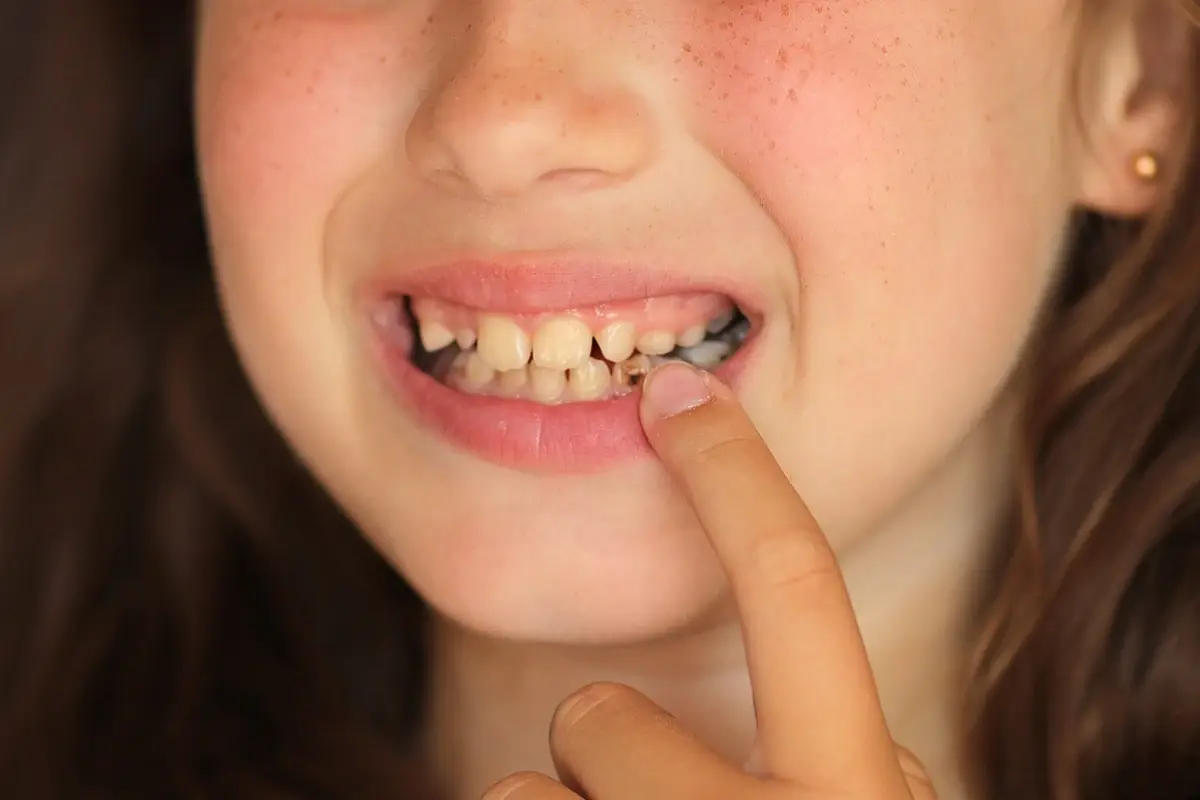
How Untreated Cavities Affect Your Child’s Overall Oral Health
Cavities are one of the most common dental problems among children, but that doesn’t mean they should be taken lightly. A small cavity may not seem like a big concern at first, especially if it isn’t causing pain. However, untreated cavities can gradually affect much more than a single tooth. Left untreated, they can impact your child’s ability to eat, speak, sleep, and maintain a healthy smile.
Many parents assume that cavities in baby teeth aren’t a major issue because those teeth will eventually fall out. In reality, primary teeth play a vital role in your child’s oral development. Ignoring tooth decay can lead to infections, premature tooth loss, and complications that affect permanent teeth.
At Boca Delray Pediatric Dentistry, located at 16850 Jog Rd, Delray Beach, FL 33446, the focus is on preventing cavities whenever possible and treating them early to protect your child’s long-term oral health. Let’s explore why timely care matters and how untreated cavities can affect growing smiles.
What Is a Cavity?
A cavity is a permanently damaged area of a tooth caused by tooth decay. It develops when bacteria in the mouth feed on sugars and starches from food, producing acids that gradually wear away the protective enamel.
The decay process doesn’t happen overnight. It begins with tiny areas of enamel damage and slowly progresses deeper into the tooth if left untreated.
In the early stages, cavities may not cause noticeable symptoms, which is why regular dental checkups are so important. Catching decay early often means simpler, less invasive treatment.
How Cavities Develop
Understanding how cavities form can help parents take steps to prevent them.
The process usually follows these stages:
Plaque Forms
After eating, bacteria combine with food particles and saliva to form a sticky film called plaque.
Acid Attacks the Enamel
The bacteria in plaque produce acids that weaken the enamel, especially after frequent consumption of sugary snacks or drinks.
Enamel Begins to Break Down
Over time, repeated acid attacks create tiny holes in the enamel.
Decay Reaches the Inner Tooth
If the cavity continues to grow, it reaches the dentin and eventually the pulp, where the tooth’s nerves and blood vessels are located.
As decay progresses, treatment becomes more complex and discomfort often increases.
Why Baby Teeth Are Important
Although baby teeth are temporary, they serve essential functions throughout childhood.
Healthy primary teeth help children:
- Chew food properly
- Learn to speak clearly
- Maintain proper spacing for permanent teeth
- Support normal jaw development
- Build confidence in their appearance
When a baby tooth develops severe decay or is lost too early, neighboring teeth may shift into the empty space. This can interfere with the proper eruption of permanent teeth and increase the likelihood of future orthodontic concerns.
Protecting baby teeth helps support healthy permanent smiles.
How Untreated Cavities Affect Overall Oral Health
A cavity doesn’t remain isolated to one small area forever. As decay advances, it can affect surrounding teeth, gums, and even your child’s daily life.
Pain and Tooth Sensitivity
One of the earliest signs of advancing decay is increased sensitivity.
Your child may complain that certain foods or drinks feel uncomfortable, particularly those that are cold, hot, or sweet.
As the cavity deepens, occasional sensitivity can develop into persistent tooth pain.
Dental Infections
When bacteria reach the inner pulp of the tooth, an infection may develop.
Signs of infection include:
- Severe toothache
- Swollen gums
- Facial swelling
- Fever
- Difficulty chewing
- A bad taste in the mouth
Dental infections require prompt treatment to prevent further complications.
Difficulty Eating
Children with untreated cavities often avoid chewing on one side of the mouth because of discomfort.
Over time, this can make eating less enjoyable and may limit the variety of healthy foods they consume.
Proper nutrition is essential for growth, making early dental care especially important.
Speech Challenges
Healthy teeth play an important role in speech development.
If cavities lead to premature tooth loss, some children may have difficulty pronouncing certain sounds until permanent teeth erupt.
Damage to Nearby Teeth
The bacteria responsible for cavities don’t stop at one tooth.
Without treatment, plaque and decay can spread to neighboring teeth, increasing the risk of additional cavities.
Treating one small cavity early may prevent multiple restorations later.
Early Tooth Loss
When decay becomes severe, saving the affected tooth may no longer be possible.
Premature tooth loss can cause:
- Crowding
- Bite problems
- Shifting teeth
- Difficulty chewing
- Need for space maintainers
- Future orthodontic treatment
Preventing extensive decay helps preserve proper dental development.
How Cavities Can Affect Daily Life
Children don’t always say, “My tooth hurts.”
Instead, parents may notice subtle changes, such as:
- Refusing certain foods
- Waking up during the night
- Becoming irritable
- Difficulty concentrating at school
- Avoiding brushing painful teeth
- Covering their mouth when smiling
Even a small cavity can gradually impact your child’s comfort and confidence.
Signs Your Child May Have a Cavity
Early cavities often develop without obvious symptoms.
As decay progresses, watch for:
- White or brown spots on teeth
- Visible holes
- Tooth sensitivity
- Pain while chewing
- Persistent bad breath
- Food frequently getting stuck
- Swollen gums near a tooth
If you notice any of these signs, scheduling a dental appointment promptly can prevent the problem from worsening.
How Pediatric Dentists Treat Cavities
At Boca Delray Pediatric Dentistry, every treatment plan is tailored to your child’s needs while prioritizing comfort.
Depending on the extent of the decay, treatment may include:
Dental Fillings
Small cavities are commonly treated by removing the decay and restoring the tooth with a durable dental filling.
Pediatric Crowns
When a cavity is too large for a filling, a pediatric crown can protect and strengthen the remaining tooth structure.
Pulp Therapy
If the infection reaches the inner pulp but the tooth can still be saved, pulp therapy removes the damaged tissue while preserving the tooth whenever possible.
Tooth Extraction
If the tooth cannot be restored safely, extraction may be recommended to protect your child’s oral health.
Whenever possible, preserving the natural tooth is the preferred option.
Preventing Cavities Before They Start
The best way to protect your child’s oral health is to stop cavities before they develop.
Parents can help by encouraging healthy daily habits.
Brush Twice Daily
Use fluoride toothpaste and brush for two minutes each morning and evening.
Young children should be supervised until they can brush effectively on their own.
Floss Every Day
Floss removes plaque and food particles between teeth where toothbrushes cannot reach.
Daily flossing significantly reduces cavity risk.
Choose Tooth-Friendly Snacks
Limit sugary treats and sticky snacks.
Instead, offer:
- Cheese
- Yogurt
- Apples
- Carrot sticks
- Cucumbers
- Nuts (for older children, if age-appropriate)
- Water instead of sugary drinks
Healthy eating supports both oral and overall health.
Schedule Routine Dental Visits
Regular dental checkups allow your pediatric dentist to identify early cavities before they become painful or expensive to treat.
Professional cleanings also remove plaque and tartar that brushing cannot eliminate.
Most children benefit from dental visits every six months.
Why Early Treatment Is Always the Best Choice
Treating a small cavity today is almost always easier than treating a large cavity later.
Early care can:
- Preserve natural teeth
- Reduce discomfort
- Prevent infections
- Lower the risk of tooth loss
- Support healthy permanent tooth development
- Minimize the need for extensive dental procedures
Preventive care saves both time and stress for families.
Why Families Choose Boca Delray Pediatric Dentistry
Children deserve dental care in an environment where they feel comfortable, understood, and encouraged. At Boca Delray Pediatric Dentistry, every visit is designed to create positive experiences while protecting your child’s oral health through every stage of development.
The experienced team provides preventive care, gentle cavity treatment, dental cleanings, fluoride treatments, sealants, restorative care, and personalized guidance to help families reduce the risk of future decay. Parents receive clear explanations and practical tips to support healthy habits at home, making oral health a team effort.
Conveniently located at 16850 Jog Rd, Delray Beach, FL 33446, Boca Delray Pediatric Dentistry proudly serves families throughout Delray Beach with compassionate, comprehensive pediatric dental care.
Protect Your Child’s Smile Before Small Problems Become Bigger Ones
A tiny cavity may seem harmless today, but it can quickly grow into a larger problem that affects your child’s comfort, oral health, and overall well-being. Early diagnosis and treatment help prevent pain, preserve healthy teeth, and support proper development of the permanent smile.
If you notice signs of tooth decay—or if it’s time for your child’s routine checkup – schedule an appointment with Boca Delray Pediatric Dentistry today. The caring team is here to help your child enjoy a healthy smile with gentle, personalized care that grows with them.
FAQs
- What happens if my child’s cavity is left untreated?
An untreated cavity can continue to grow, causing tooth pain, infection, difficulty eating, and even premature tooth loss. Early treatment helps prevent more serious dental problems. - Can untreated cavities in baby teeth affect permanent teeth?
Yes. Baby teeth help guide permanent teeth into place. If a baby tooth is lost too early because of severe decay, nearby teeth can shift, increasing the risk of crowding and orthodontic issues. - How can I tell if my child has a cavity?
Common signs include tooth sensitivity, pain while chewing, visible holes or dark spots on the tooth, bad breath, and complaints of tooth discomfort. Some cavities have no symptoms in the early stages, making regular dental checkups essential. - How are cavities treated at a pediatric dental office?
Treatment depends on the size of the cavity. Options may include dental fillings, pediatric crowns, pulp therapy, or, in severe cases, tooth extraction. Your pediatric dentist will recommend the most appropriate treatment for your child. - How can I help prevent cavities in my child?
Encourage your child to brush twice a day with fluoride toothpaste, floss daily, limit sugary snacks and drinks, eat a balanced diet, and visit the pediatric dentist every six months for exams and cleanings.
No Comment