
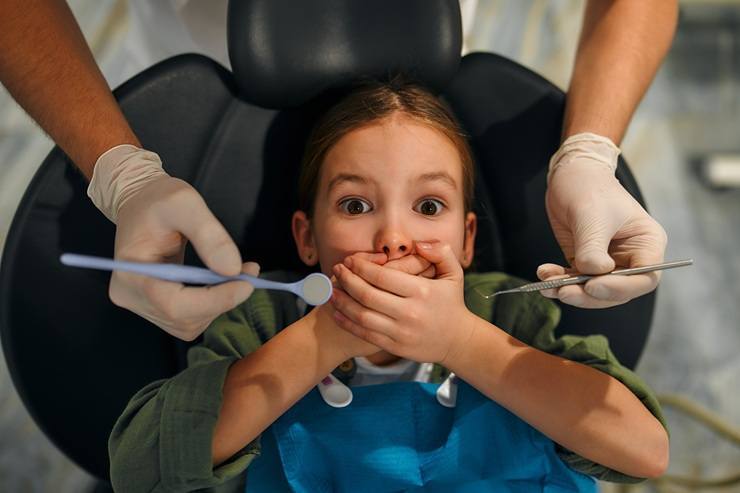
What to Do in a Child’s Dental Crisis: Insights from Dr. Maria Castaneda
A child’s dental crisis can happen in an instant, whether during a weekend soccer match at Seacrest Soccer Complex or an afternoon spent enjoying key lime pie along Atlantic Avenue. According to data published by the Centers for Disease Control and Prevention (CDC) and the American Academy of Pediatric Dentistry (AAPD), roughly 33% of children suffer a traumatic injury to their primary teeth, and nearly 22% experience trauma to their permanent teeth before adulthood. Recognizing these issues early and knowing how specialists manage them ensures your child’s smile remains healthy and protected.
At Boca Delray Pediatric Dentistry, Dr. Maria Castaneda and Dr. Ben-Elazar provide immediate and compassionate care customized to young patients facing urgent oral health issues. If your child experiences sudden pain or trauma, visit our dental office for an immediate diagnostic evaluation.
What Is a Pediatric Dental Emergency?
This is any sudden oral health condition involving severe pain, uncontrollable bleeding, structural trauma to teeth or jaw bones, or acute bacterial infection that requires immediate intervention by a trained specialist. Prompt professional treatment prevents irreversible nerve damage, protects underlying permanent tooth buds, and relieves acute distress.
Knocked-Out Tooth (Avulsion)
An avulsed permanent tooth is a critical, time-sensitive emergency where the tooth is completely displaced from its socket. If the tooth is permanent, re-implantation within 30 to 60 minutes offers the highest success rate. Handle the tooth strictly by the crown (top part), never touching the sensitive root tissues. Gently rinse away debris with cold water or milk, but do not scrub or use chemical cleansers. Place the tooth back into its socket if possible, or preserve it in a cold glass of milk while heading straight to a dentist.
- Crucial Rule: Never attempt to re-insert a knocked-out baby (primary) tooth. Re-inserting a primary tooth can fuse to the bone or permanently damage the developing permanent tooth germ beneath the gums.
How Dentists Treat It
When handling permanent tooth avulsions, pediatric specialists carefully flush the socket with sterile saline to remove clots and contaminants. The tooth is gently repositioned into its anatomical socket under localized anesthesia. To allow the periodontal ligament fibers to heal, a flexible splint is applied, anchoring the injured tooth to adjacent healthy teeth for 1 to 2 weeks.
For baby teeth, the dentist focuses on managing bleeding, comforting the child, and taking digital X-rays to ensure the permanent successor remains undisturbed. Addressing pediatric dental emergencies in Delray Beach requires this precise anatomical approach to safeguard future dental development.
Severe Toothaches & Dental Abscesses
A severe toothache often stems from deep tooth decay that has reached the internal pulp cavity, or from a localized bacterial infection known as a dental abscess. While older children can voice throbbing pain or sensitivity to hot and cold foods, younger children often express discomfort through irritability, refusal to eat, or persistent rubbing of their cheek. An untreated abscess can cause extraoral swelling, fever, and a foul taste in the mouth due to purulent drainage.
How Dentists Treat It
To resolve severe internal decay or abscesses, pediatric dentists utilize specialized pulp therapies:
- Pulpotomy / Pulpectomy: Often referred to as a “baby tooth root canal,” a pulpotomy removes infected pulp tissues from the crown portion of the tooth while preserving the healthy root structure. A therapeutic, antibacterial dressing is placed to soothe the remaining nerve. If infection extends into the root canals, a full pulpectomy is performed to remove all infected tissue.
- Restoration: The tooth is reinforced with a preformed crown or durable tooth-colored restoration to restore structural integrity and prevent future bacterial intrusion.
- Infection Control: In cases involving facial swelling or systemic signs like fever, targeted antibiotic therapy is prescribed alongside localized treatment.
Chipped, Cracked, or Fractured Teeth
Enamel fractures occur frequently during recreational activities, falls at local playgrounds, or water sports. Dental fractures are classified clinically based on the depth of the break:
- Uncomplicated Fractures: Involve only the outer enamel layer or the underlying dentin without exposing the tooth’s nerve.
- Complicated Fractures: Deep breaks that expose the vital dental pulp, visible as a small red dot in the center of the broken surface.
How Dentists Treat It
Uncomplicated chips are treated by smoothing rough edges or placing composite resins (tooth-colored fillings) that match the natural color and shape of the tooth. For complicated fractures with exposed nerves, the dentist performs a direct pulp cap or partial pulpotomy to protect vital tissue before placing a protective restoration or aesthetic crown.
If you suspect your child has sustained a fracture, seeking prompt care for pediatric dental emergencies in Delray Beach ensures that microscopic cracks do not allow bacteria to reach the pulp over time.
Broken Fillings or Damaged Restorations
Dental restorations can break or dislodge when a child chews on hard foods, sticky candies, or experiences minor facial impact. When a filling or space maintainer comes loose, it creates open micro-gaps where food debris and bacteria collect, exposing vulnerable dentin to rapid decay and temperature sensitivity.
How Dentists Treat It
The dentist removes any remaining damaged restoration material, cleanses the underlying cavity using gentle techniques, and assesses the tooth structure. A new custom restoration or space maintainer is sculpted and cured into place to maintain proper arch spacing and prevent shifting of adjacent teeth.
Soft Tissue Lacerations & Facial Trauma
Impacts to the mouth often tear or crush the delicate oral mucosa, tongue, lips, or gum tissue. Because the head and neck region has an abundant blood supply, even minor soft tissue cuts can bleed heavily. Parents should apply firm, direct pressure with a clean piece of gauze or washcloth for 10 to 15 minutes while applying a cold compress externally to reduce facial swelling.
How Dentists Treat It
If bleeding continues past 15 minutes, or if a deep laceration threatens contour symmetry, the pediatric dentist evaluates the wound for embedded tooth fragments. Clean, surgical debridement is performed, followed by delicate resorbable suturing to close the wound, minimize scarring, and promote rapid tissue regeneration.
For families navigating pediatric dental emergencies in Delray Beach, having a trusted dental partner ensures immediate assessment and expert surgical management when unexpected trauma occurs.
Protect Your Child’s Smile with Expert Care
Accidents and unexpected toothaches require immediate, expert attention from professionals who understand the developing oral anatomy of children. At Boca Delray Pediatric Dentistry, our team provides comprehensive urgent care using child-friendly techniques in a comfortable, stress-free environment.
If your child is experiencing sudden dental pain, trauma, or a broken restoration, do not wait for symptoms to worsen. Book an appointment today to receive a complete diagnostic evaluation and custom treatment plan tailored to your child’s needs.
Frequently Asked Questions
Q.1. What should I do if my child knocks out a baby tooth?
Do not try to reinsert a baby tooth into the socket. Keep your child calm, stop any bleeding with clean gauze, and call your pediatric dentist immediately to check for root fragments or underlying damage.
Q.2. How can I tell if my child’s toothache is an emergency?
A toothache is an emergency if it keeps your child awake, causes facial swelling, is accompanied by a fever, or prevents them from eating. These signs point to deep decay or an active infection requiring urgent treatment.
Q.3. Is a chipped tooth always a dental emergency?
A small enamel chip without pain can usually be evaluated during regular hours. However, if the chip exposes the inner tooth, causes sharp pain, or leaves sharp edges that cut the tongue, immediate dental care is needed.
Q.4. What should I store a knocked-out permanent tooth in?
Store a knocked-out permanent tooth in cold milk or a specialized cell-preserving liquid. If neither is available, have your child hold it in their mouth between their cheek and gums—never store it in plain tap water.
Q.5. Can a broken filling wait a few days for repair?
It is best not to wait. A broken filling leaves the inner tooth exposed to bacteria and temperature changes, which can quickly lead to painful pulp infection, nerve damage, or deeper decay.
Q.6. What causes a dental abscess in children?
A dental abscess develops when untreated decay or tooth trauma allows bacteria to infect the inner nerve cavity. The infection spreads down to the root tip, creating a painful, pus-filled pocket in the gum tissue.
Q.7. How do pediatric dentists treat facial trauma in kids?
Pediatric dentists evaluate trauma with digital X-rays, clean and suture soft tissue tears, reposition shifted teeth, and apply flexible splints to stabilize loose teeth while monitoring the health of the dental nerve.
No Comment