
Dental Sealants for Kids: A Simple Way to Prevent Cavities
Do you worry every time your child visits the dentist because another cavity might be found? Many parents make sure their children brush and floss every day, yet tooth decay can still develop in the deep grooves of the back teeth. These areas are often difficult for children to clean thoroughly, even with excellent brushing habits.
At Boca Delray Pediatric Dentistry in Delray Beach, Florida, we help families take preventive steps before problems begin. One of the most effective ways to reduce the risk of tooth decay is with dental sealants in Delray Beach. This quick preventive treatment adds a protective barrier over the chewing surfaces of molars, where food particles and bacteria often collect. In this guide, you’ll learn how sealants work, when children should receive them, who benefits the most, and how they fit into a complete preventive dental care plan.
What Are Dental Sealants?
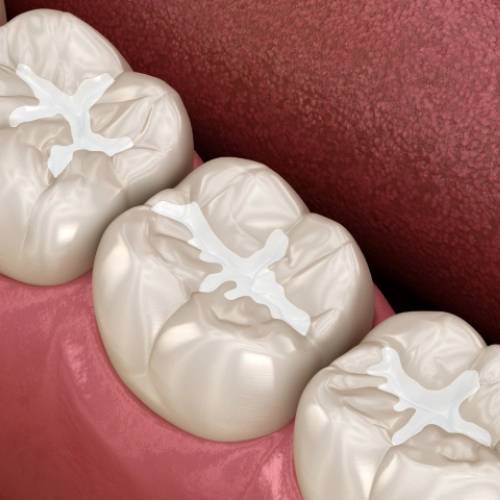
They are thin protective coatings placed on the chewing surfaces of permanent molars to help reduce the risk of tooth decay. They seal the natural grooves where bacteria and food are most likely to become trapped.
Unlike fillings, sealants are applied before damage occurs. Their purpose is prevention rather than treatment.
The procedure is simple and does not require:
- Drilling
- Injections
- Removing healthy tooth structure
- Recovery time
Once the material hardens, it creates a smooth surface that is much easier for children to keep clean during daily brushing.
Why Do Children Get Cavities So Easily?
Children’s back teeth contain narrow pits and grooves that toothbrush bristles often cannot reach completely. Even children with consistent oral hygiene may leave behind plaque in these areas.
Several factors increase the risk of cavities, including:
- Frequent sugary snacks and drinks
- Sticky foods that remain on teeth
- Inconsistent brushing or flossing
- Deep grooves in permanent molars
- Irregular preventive dental visits
Because children’s brushing skills continue to improve as they grow, preventive treatments often play an important role during these years.
Why Are Molars More Vulnerable?
Molars are responsible for grinding food every day. Their uneven chewing surfaces naturally collect food debris and bacteria.
Without additional protection, plaque can remain in these grooves long enough to weaken enamel and begin the decay process. Dental Sealants help cover these vulnerable areas before damage develops.
How Do Dental Sealants Protect Teeth?
Sealants work by creating a protective shield over the natural grooves of molars, preventing food particles and bacteria from settling into areas that are difficult to clean.
The application process usually takes only a few minutes per tooth.
The procedure includes:
- Cleaning the tooth thoroughly
- Preparing the surface with a gentle conditioning solution
- Applying the protective coating
- Hardening the material with a curing light
- Checking the bite to ensure comfort
Children can return to school, sports, or other activities immediately after the appointment.
Unlike many parents assume, sealants do not replace brushing or flossing. They simply add another layer of protection where toothbrushes are least effective.
When Should Children Receive Sealants?
Many parents ask whether they should wait until their child is older. In most cases, earlier protection provides greater long-term benefits.
The ideal time is shortly after the permanent molars erupt because these teeth are especially vulnerable during their first few years.
General recommendations include:
| Tooth | Typical Age |
| First permanent molars | Around ages 6 to 7 |
| Second permanent molars | Around ages 11 to 13 |
Every child develops differently, so your pediatric dentist will evaluate eruption patterns and overall oral health before recommending treatment.
Children with a history of cavities, deep grooves, or a higher risk of tooth decay may benefit most from early preventive care.
Are Dental Sealants Safe for Children?
Yes, these restorations have been used in pediatric dentistry for many years and are widely recognized as a safe preventive treatment when recommended by a dental professional.
The protective material bonds only to the outer enamel surface without affecting the inner tooth.
Parents often appreciate that the procedure is:
- Comfortable
- Quick
- Non-invasive
- Completed in one visit
- Designed to preserve healthy tooth structure
At Boca Delray Pediatric Dentistry, every child receives an individualized evaluation before preventive treatments are recommended. During routine visits, we also examine existing sealants to ensure they remain intact and continue protecting the teeth.
Book an appointment if you would like to learn whether this preventive treatment is appropriate for your child’s smile. A pediatric dentist in Delray Beach can evaluate your child’s risk factors and recommend the right preventive care based on their individual needs.
Who Is an Ideal Candidate for Dental Sealants?
Although many children are candidates for sealants, some benefit more than others based on their oral health and daily habits.
Your child may be an ideal candidate if they:
- Have newly erupted permanent molars
- Have deep pits and grooves on their back teeth
- Have had cavities before
- Frequently eat sugary or starchy snacks
- Need extra protection while improving brushing habits
Some children naturally have stronger enamel than others, but no child is completely immune to tooth decay. A preventive evaluation helps determine whether this treatment is appropriate.
Families throughout Delray Beach, Boca Raton, Highland Beach, Gulf Stream, and surrounding communities often ask about preventive options before problems develop. At our dental practice, we focus on helping parents make informed decisions that support long-term oral health.
How Long Do Dental Sealants Last?
Tooth sealants can protect teeth for several years when they remain intact and are checked during regular dental visits.
While they are durable, they are not permanent. Normal chewing can gradually wear away the protective coating.
During routine preventive exams, your pediatric dentist will check for signs of wear and determine whether any areas need a simple touch-up or replacement.
Fortunately, maintaining sealants usually requires very little time and helps continue protecting vulnerable chewing surfaces.
Can Sealants Be Replaced?
Yes, if part of the protective coating wears away or chips, additional material can usually be placed without removing healthy tooth structure.
Routine dental checkups allow these small repairs to be completed before bacteria begin reaching the grooves again.
Dental Sealants vs. Fillings: What’s the Difference?
Many parents confuse these two treatments, but they serve very different purposes.
| Dental Sealants | Fillings |
| Prevent tooth decay | Treat existing decay |
| Applied to healthy teeth | Used after damage has occurred |
| No drilling in most cases | Requires removal of decayed tooth structure |
| Quick preventive procedure | Restorative treatment |
Choosing prevention whenever possible often means fewer restorative procedures later in childhood.
That is why our team encourages families to discuss preventive options during routine examinations rather than waiting until problems appear.
What Else Helps Prevent Cavities?
Sealants are only one part of a complete preventive care plan. Healthy daily habits continue to play the biggest role in protecting growing smiles.
Parents can help by encouraging children to:
- Brush twice each day with fluoride toothpaste.
- Floss every day once teeth begin touching.
- Drink more water instead of sugary beverages.
- Limit sticky snacks and frequent sweets.
- Visit the dentist every six months.
- Wear a mouthguard during sports when recommended.
Combining these habits with sealants provides additional protection for the teeth that are hardest to clean.
Protect Your Child’s Smile with Preventive Care
Helping your child maintain a healthy smile starts with prevention. Regular dental visits and early protective treatments can lower the need for more extensive care while building positive dental habits for life. At Boca Delray Pediatric Dentistry, we proudly care for families throughout Delray Beach and nearby communities with personalized preventive care based on each child’s needs. If your child has newly erupted molars or is at greater risk of cavities, book an appointment to learn more about dental sealants in Delray Beach. We invite you to visit our office and help your child enjoy a healthier smile for years to come.
Frequently Asked Questions
Q.1. At what age should children receive dental sealants?
Most children receive sealants soon after their permanent molars erupt, typically around ages 6 to 7 and again between 11 and 13. A dental examination helps determine the right timing based on tooth development. Scheduling an evaluation allows the dentist to recommend preventive care before decay has a chance to develop.
Q.2. Can sealants be placed on baby teeth?
In some cases, yes. If a baby tooth has deep grooves and is expected to remain in the mouth for several years, a dentist may recommend sealants to help protect it. A professional evaluation determines whether this option is beneficial for your child’s individual needs.
Q.3 Will my child need sealants if they already brush well?
Yes, many children who brush consistently still benefit from sealants. Toothbrush bristles often cannot fully reach the narrow grooves of molars where plaque collects. A dental examination helps identify areas that may need additional protection even when home care is excellent.
Q. 4. How are dental sealants different from fluoride treatments?
Fluoride strengthens tooth enamel throughout the mouth, while sealants create a physical barrier over the chewing surfaces of molars. These preventive treatments work together rather than replacing one another. During a dental visit, the dentist can recommend the combination that offers the greatest protection.
No Comment